Introduction:
Starting a new allotment garden can be an exciting and rewarding experience, but it can also be overwhelming if you don’t know where to begin. This beginner’s guide will walk you through the process of setting up and maintaining your allotment plot, from preparing the soil to growing your first harvest.
Preparing the Soil:
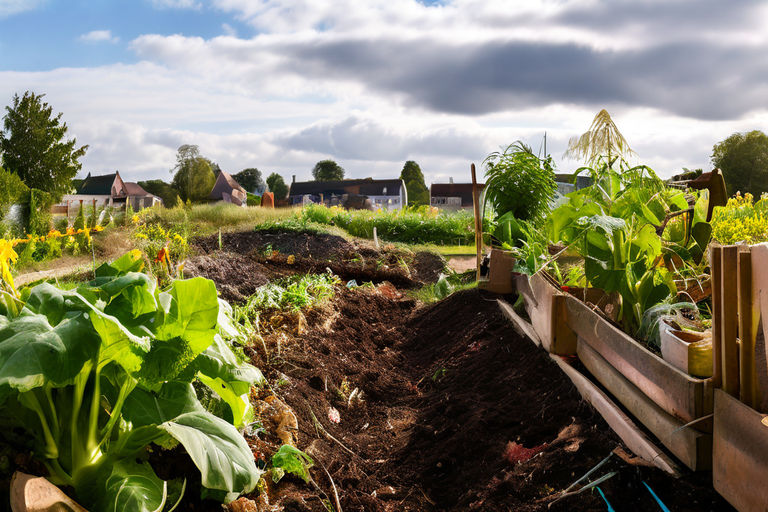
Before planting anything on your allotment plot, it is essential to prepare the soil. This involves removing any weeds or debris, breaking down any clods of earth, and adding organic matter such as compost or well-rotted manure. This will improve the structure and fertility of the soil, making it more conducive to growing a variety of crops.
Choosing What to Plant:
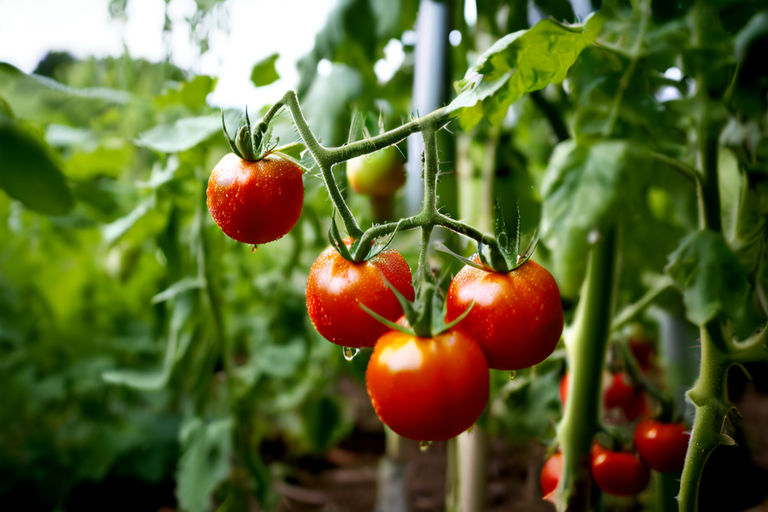
Once your soil is prepared, you can start thinking about what to plant on your allotment plot. Consider what types of crops grow well in your climate and soil conditions, and choose a mix of vegetables, fruits, and herbs. Some good options for beginners include tomatoes, peppers, cucumbers, carrots, potatoes, and herbs like basil and mint.
Watering and Feeding:
As your plants grow, they will need regular watering and feeding. Make sure to provide enough water to keep the soil consistently moist, but not waterlogged. You can also add a balanced fertilizer to the soil to promote healthy growth and development.
Pest Control:
Unfortunately, pests like slugs, snails, and caterpillars can cause significant damage to your crops. To control these pests, use natural methods like copper tape or crushed eggshells around the base of plants, or try using homemade traps made from things like beer bottles or plastic containers.
Harvesting and Storage:
Once your crops are ready to harvest, it’s essential to pick them at the appropriate time to ensure they are at their best flavor and texture. Store any excess produce in a cool, dark place to keep it fresh for longer. Consider preserving some of your harvest through canning or freezing to enjoy throughout the year.
Conclusion:
Starting an allotment plot can be a rewarding hobby that provides fresh, healthy produce and a sense of accomplishment. By following these steps, you can create a thriving garden that will give you joy for years to come. Happy gardening!