As gardening enthusiasts, we’re always on the lookout for the best methods to create thriving plots that bring joy and bounty. Two popular approaches are dig and no-dig allotments, each with its own set of advantages and disadvantages. In this post, we’ll delve into the pros and cons of both methods, helping you decide which approach is right for your gardening journey.
Dig Allotments: The Traditional Method
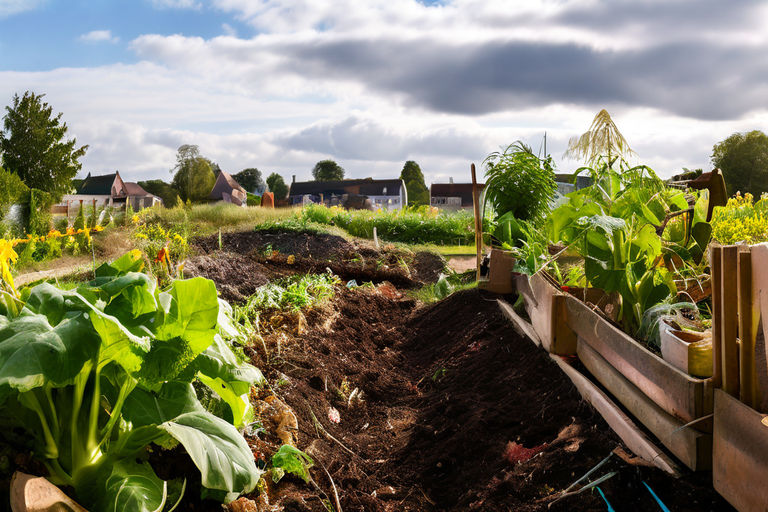
Digging an allotment involves removing a layer of soil to create a flat surface, then filling it with compost or other amendments before planting. This method has been around for centuries and has its advantages:
Pros:
- Better drainage: Digging allows for the removal of compacted soil and debris, ensuring better water penetration and reducing the risk of waterlogging.
- Improved soil structure: By breaking up clay soils or adding organic matter to sandy soils, digging can improve the overall texture and fertility of the soil.
- Easier planting: With a smooth, flat surface, it’s simpler to plant seeds, seedlings, and transplants.
Cons:
- Soil erosion: Digging can lead to soil compaction, which may cause erosion during heavy rainfall or irrigation.
- Loss of microorganisms: Destroying the natural habitat of beneficial microorganisms in the soil can disrupt the ecosystem’s balance.
- Time-consuming: Digging an allotment requires significant physical effort and time.
No-Dig Allotments: The Low-Tech, High-Reward Approach
The no-dig method involves creating a new garden bed without disturbing the existing soil structure. This approach has gained popularity due to its simplicity and ecological benefits:
Pros:
- Minimal disruption: By not digging, you preserve the natural habitat of microorganisms, which can lead to healthier soil and more resilient plants.
- Less physical effort: No-dig allotments require minimal physical labor, making them ideal for those with mobility issues or limited energy.
- Reduced erosion risk: With no soil compaction, the risk of erosion is significantly reduced.
Cons:
- Initial difficulties: Establishing a no-dig plot can take time, as it may initially be slow to develop and may require additional support for struggling plants.
- Limited drainage: Without digging, water may not penetrate the soil as effectively, potentially leading to waterlogging or puddling.
- Soil structure challenges: No-dig allotments may struggle with poor drainage or aeration due to compacted or heavy clay soils.
The Verdict: Choose Your Path Wisely
Both dig and no-dig allotments have their advantages and disadvantages. Digging provides better drainage, improved soil structure, and easier planting, but requires more physical effort and can disrupt the natural balance of microorganisms. No-dig allotments preserve the natural ecosystem, require minimal labor, and reduce erosion risk, but may initially struggle with plant establishment and drainage.
Ultimately, the choice between dig and no-dig allotments depends on your personal preferences, soil type, climate, and gardening goals. If you’re willing to invest time and effort into creating a thriving plot, digging might be the better option for you. However, if you prioritize simplicity, ecological benefits, and reduced physical labor, no-dig allotments could be the way to go.
Whichever method you choose, remember that both dig and no-dig allotments require patience, observation, and attention to detail to achieve success. Happy gardening!