Title: Experimenting with Cardboard Composting on My Allotment
Hey there, fellow allotmenteers! I’m super excited to share my latest experiment with you – cardboard composting! I’ve heard great things about this method, and I can’t wait to see if it works for me.
So, what is cardboard composting? It’s a simple way to create a nutrient-rich compost by layering cardboard in a garden bed. The cardboard breaks down over time, adding organic matter and improving soil structure.
I know some of you might be thinking, “Isn’t cardboard too dense to break down?” Or, “Won’t it just rot and create a mess?” Fear not, my friends! I did some research and found that the key is to use the right type of cardboard.
Look for corrugated cardboard (the kind with flutes) as it has more air pockets and will break down faster. Avoid using waxy or coated cardboards, as they may not compost well.
Now, let’s get started! Here are the steps I’ll be taking on my allotment:
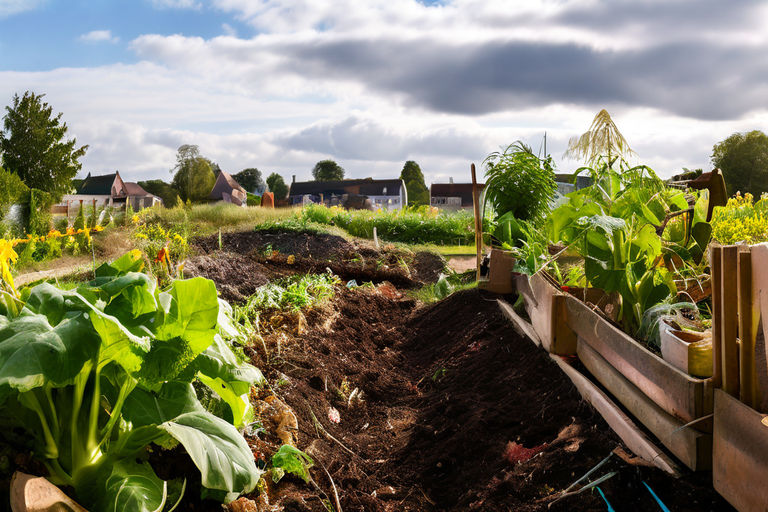
- Prepare the bed: Clear any weeds or debris from the area where I’ll be layering the cardboard. Make sure it’s well-drained and free of rocks or roots.
- Choose the right cardboard: Look for corrugated cardboard that’s clean, dry, and free of contaminants. You can use old boxes, packaging materials, or even old shirts (just kidding on that last one!).
- Layer it up: Start by placing a thin layer of cardboard in the bottom of your chosen bed. Add more layers, each about an inch thick, until you reach the desired depth.
- Mix it up: Once you have several layers of cardboard, mix them with some compost or well-rotted manure. This will help speed up the decomposition process and create a nutrient-rich mix.
- Wait and observe: Over the next few weeks or months, monitor the progress of your cardboard compost. You should start to see it break down into a dark, crumbly material. If you’re patient, you might even spot some worms or insects busily recycling the cardboard!
Remember, patience is key when using cardboard composting. It may take longer than other methods, but the end result will be worth it – a nutrient-rich compost that’ll help your plants grow strong and healthy!
So, what do you think? Will you give cardboard composting a try on your allotment? Let me know in the comments how your experiments go! Happy gardening!