How to Grow Carrots: A Step-by-Step Guide for Small Allotment Plots in the UK
As one of the most popular and versatile root vegetables, carrots are a staple crop for many gardeners. Growing carrots on a small allotment plot in the UK can be a rewarding experience, especially when you follow these simple steps.
Choosing the Right Variety
Before we dive into the growing process, it’s essential to select the right carrot variety for your UK climate and soil type. Some popular varieties for the UK include:
- ‘Nelson’ – A popular, sweet-tasting variety that does well in most soils.
- ‘Little Finger’ – A compact, baby-sized carrot perfect for small plots.
- ‘Autumn King’ – A reliable, high-yielding variety that matures in late summer.
Preparing Your Soil
Carrots prefer well-draining, loose soil with a pH between 6.0 and 7.0. To prepare your allotment plot:
- Remove any debris: Clear the area of rocks, weeds, and other obstructions.
- Lime or sulfur application: If your soil is too acidic (below 6.0), add lime to raise the pH. For alkaline soils (above 7.0), apply sulfur to lower it.
- Till the soil: Use a fork or spade to loosen the top 10-15 cm of soil, breaking up any clods.
Sowing Your Carrot Seeds
- Sow at the right time: In the UK, sow carrot seeds in early spring (February-March) or late summer/early fall (August-September), when the weather is cooler.
- Use a seed sower or broadcast: Sow your seeds 1-2 cm deep and 2-3 cm apart, either using a seed sower or broadcasting them evenly across the plot.
- Cover with soil: Gently rake the soil over the seeds to cover them.
Caring for Your Carrots
- Keep the soil moist: Water your carrots regularly, but avoid overwatering, which can lead to rot and other problems.
- Thin the seedlings: Once the seedlings emerge (usually within 1-2 weeks), thin them out to about 5-7 cm apart using scissors or a fork.
- Monitor for pests: Keep an eye out for carrot flies, rabbits, and slugs, which can damage your crop.
Harvesting Your Carrots
- Check for size: Carrots are ready to harvest when they reach their mature size (usually around 10-15 cm).
- Use a fork or trowel: Gently dig around the carrot with a fork or trowel, being careful not to damage the root.
- Pull out the carrots: Once you’ve loosened the soil, carefully pull out your carrots, taking care not to break them.
Tips and Variations
- Grow baby carrots: Sow seeds closer together (about 1-2 cm apart) for a crop of baby carrots.
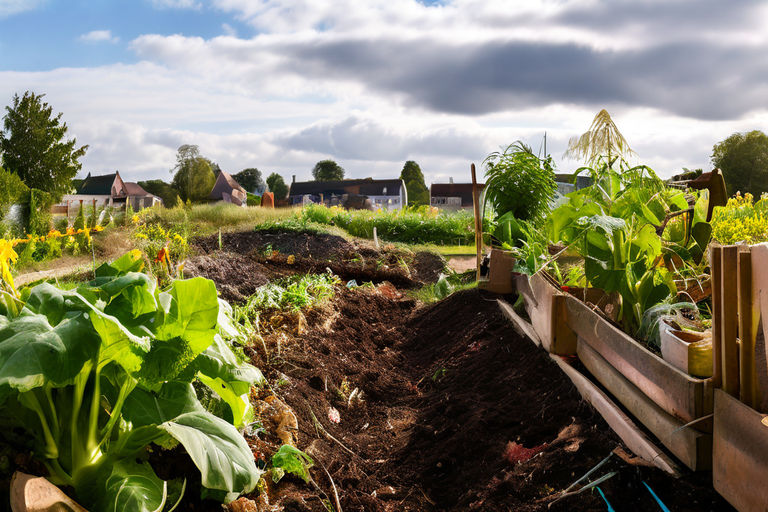
- Use raised beds: If your allotment plot has poor drainage or compacted soil, consider using raised beds to grow your carrots.
- Try companion planting: Carrots can be grown alongside other vegetables like lettuce, radish, and spinach. Just be sure to avoid planting them near members of the Brassica family (broccoli, cauliflower, etc.), as these can inhibit carrot growth.
By following these steps and tips, you should be able to successfully grow delicious carrots on your small allotment plot in the UK. Happy gardening!